
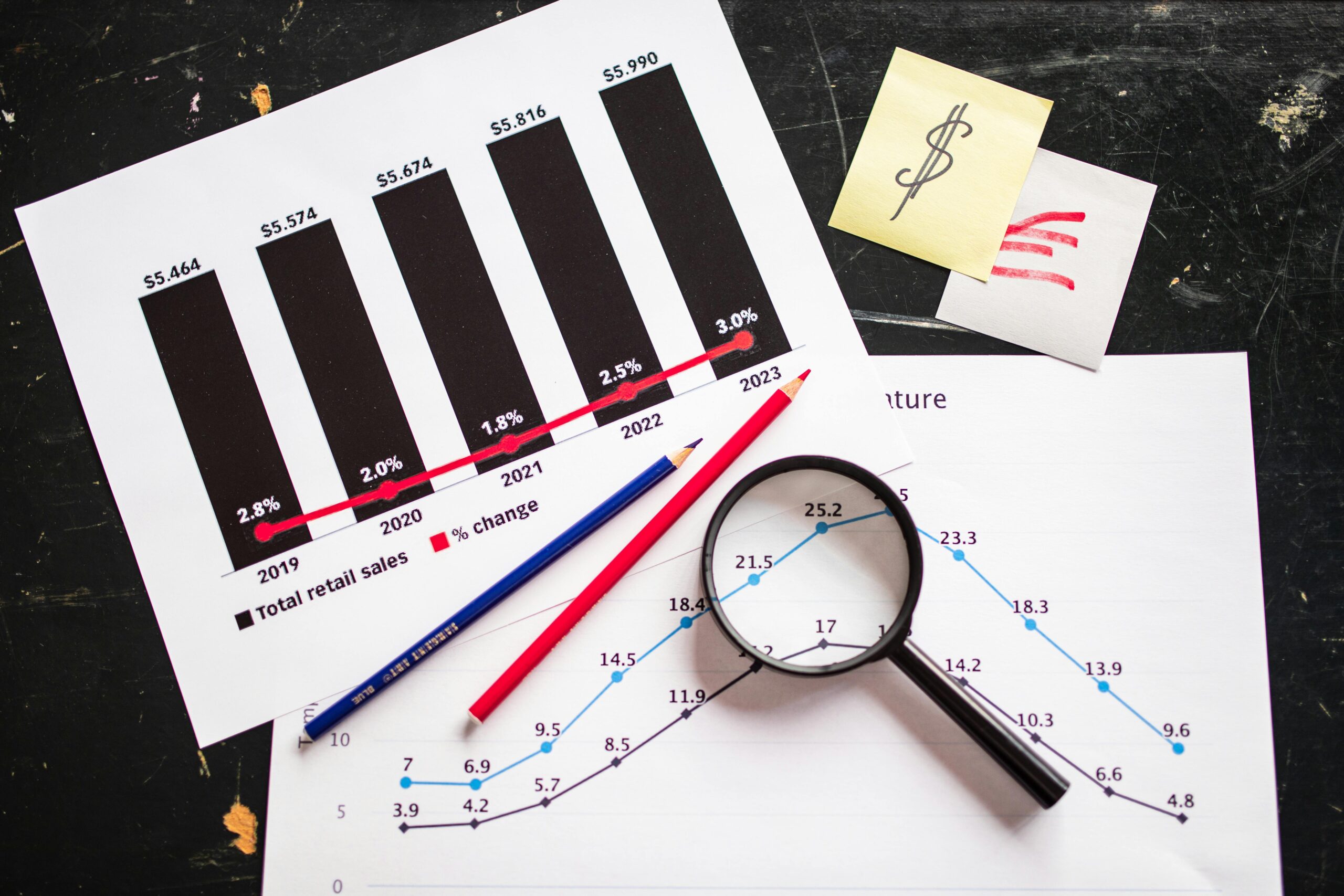
Sales forecasting is not just a spreadsheet exercise. It is the compass that guides hiring, inventory, and strategic investment across your entire organisation. Leaders once relied on gut feeling or optimism to pick a number. That era is over.
Despite the tools available, one pain point remains: research suggests 55% of sales leaders do not trust their own forecasts. That lack of confidence leads to hesitant decisions and missed opportunities.
What is sales forecasting, and why does it fail?
Sales forecasting estimates future revenue by predicting how much product or service a company will sell over a specific period. It lets finance teams and sales leaders plan expenses and capacity accurately. Yet the predictions are often wrong.
Forecasts fail for common reasons. Representatives are often overly optimistic about their deals. Others sandbag, under-promising to over-deliver. Poor CRM data hygiene skews the numbers. And many forecasts ignore external market factors entirely.
A forecast is a living prediction, not a static target you set and forget. It must evolve as new data enters your system.
The five most effective forecasting methods
How to build a sales forecast, step by step
Establish your sales process
You cannot forecast if proposal sent means different things to different representatives. Standardise your deal stages across the team, with the same entry and exit criteria for everyone.
Set your targets and quotas
Define clearly what success looks like, individually and for the team. These targets are the baseline against which you measure the forecast.
Calculate your average sales metrics
Know your baseline: average deal size, average sales cycle length, and win rate. These historical averages are the foundation of every mathematical model.
Clean your CRM data
Garbage in, garbage out applies strictly here. Remove dead leads and update stale opportunities before running numbers. Accurate data beats a high volume of bad data.
Choose your method and run the numbers
Select a method based on data availability - early-stage startups may rely on simple pipeline forecasting, mature organisations on multivariable analysis. Then apply the maths: multiply total pipeline value by average win rate for a baseline prediction.
Qualitative vs quantitative forecasting
Quantitative
Relies on hard numbers: historical data, conversion rates, funnel velocity. Highly objective and consistent, but lacks nuance on specific deal dynamics.
Qualitative
Relies on human context. A manager might know a champion has left the prospect company, or that a budget freeze is coming that the data cannot see yet.
The hybrid approach
The best forecasts use data as the baseline and human insight for adjustment. Start with the quantitative model to get a number, then adjust it on what your team knows.
Common forecasting pitfalls to avoid
The future: AI-powered sales forecasting
Predictive scoring
AI analyses thousands of data points to score deals more accurately than a human can, looking at factors like email sentiment and engagement frequency. It removes the guesswork from probability assignments.
Automated data capture
AI logs emails and calls automatically, so CRM data is actually complete and current. You no longer have to nag representatives to update their files.
Real-time adjustments
AI updates the forecast the moment a deal stalls or accelerates, giving a live view of revenue rather than a weekly snapshot.
Moterra: your AI sales operations leader
Automated pipeline analysis
Moterra connects directly to your CRM, analysing every deal in real time without manual input, so your data is always current.
Unbiased prediction
The AI Data Analyst removes human bias. It might flag a deal marked commit where the email sentiment is actually negative, then adjust the probability to a more realistic 30%.
Scenario modelling
Ask what happens if you increase win rate by 5%, and the system models the revenue impact immediately - all inside your own cloud, so pipeline data never leaves your environment.
FAQ
How accurate should a sales forecast be?
Aim for accuracy of plus or minus 10%. Anything less than 80% accuracy indicates a problem with your process or data.
How often should I forecast?
Weekly for the current quarter. For the year ahead, a monthly forecast is sufficient.
What is the difference between sales forecasting and goal setting?
Forecasting is what will happen based on data. Goal setting is what you want to happen.
Can startups forecast sales without historical data?
Yes. Use industry benchmarks and expense-based bottom-up forecasting until you have your own data.
What tools are best for sales forecasting?
A CRM like Salesforce is essential. Dedicated tools or AI analysts like Moterra provide deeper insight.